
"After Mummy brown"
work in progress


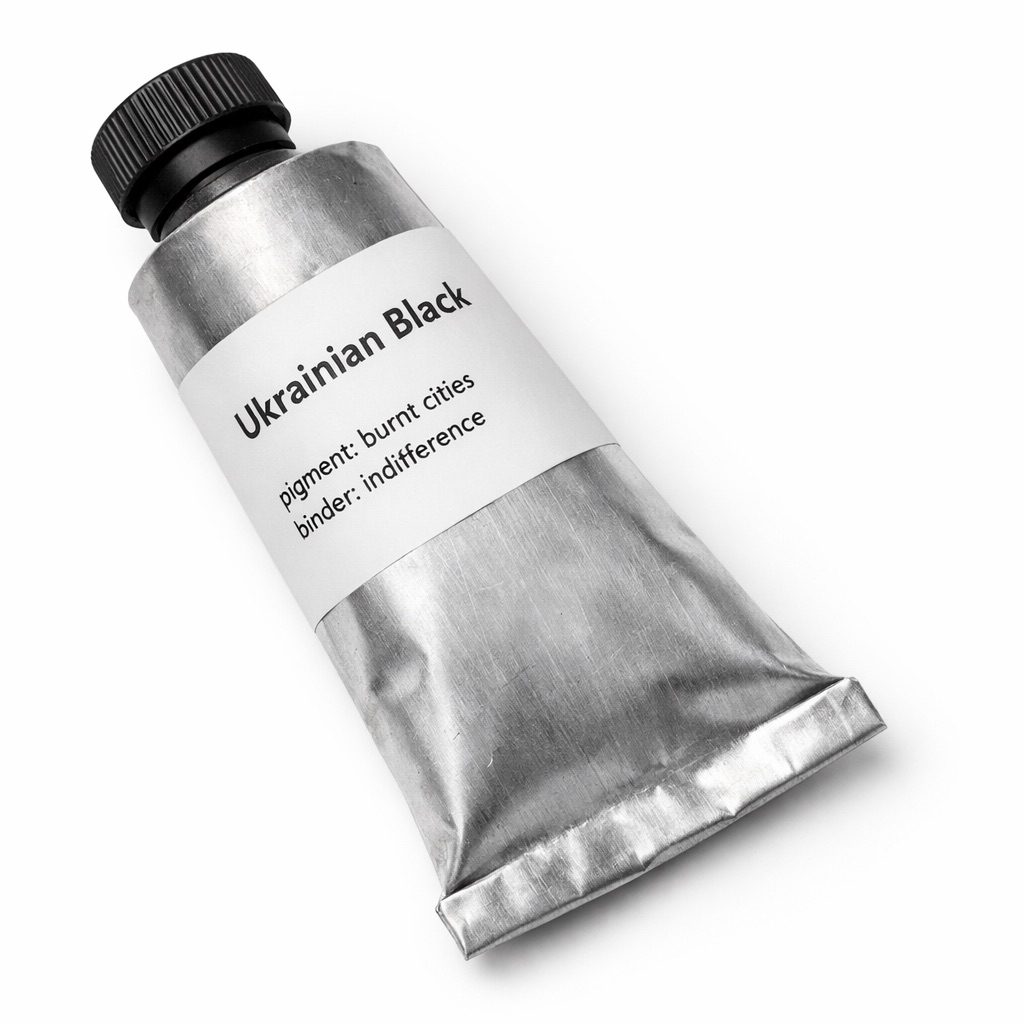
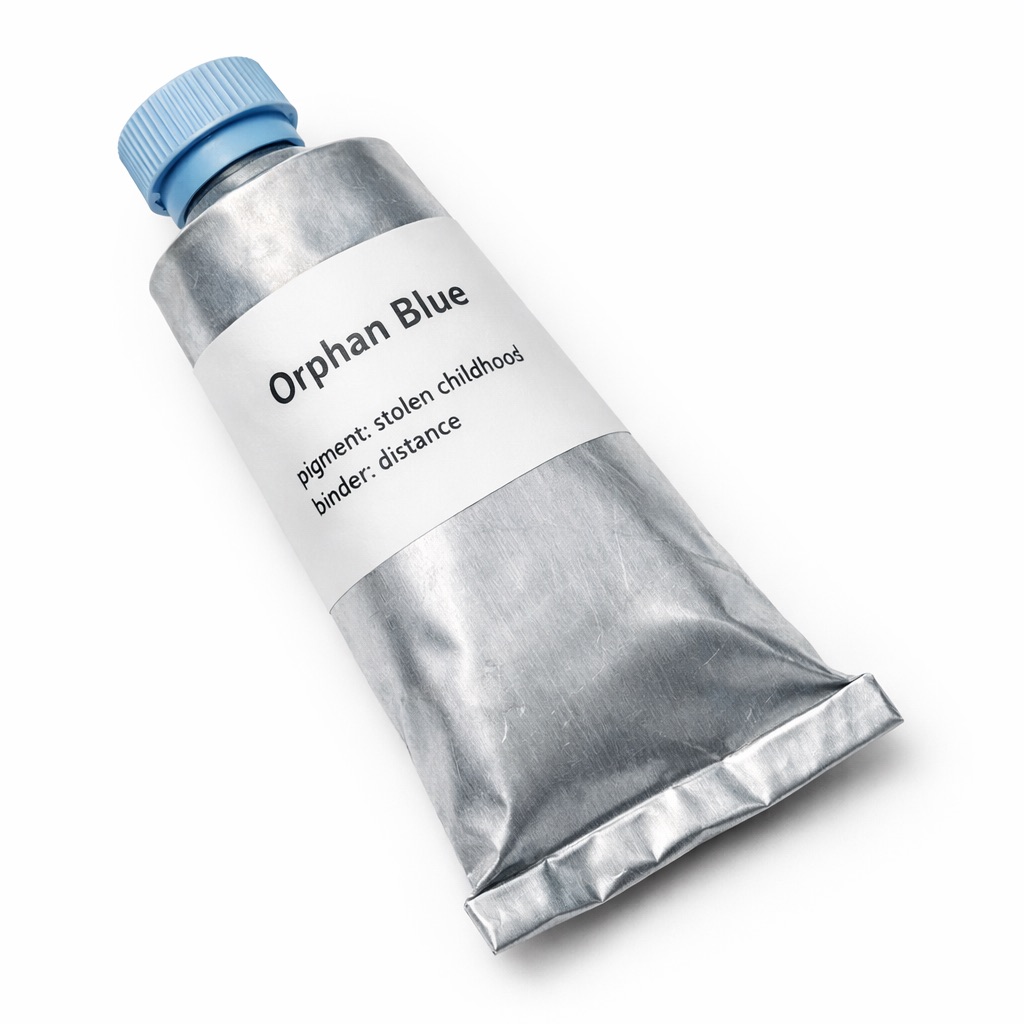


“After Mummy Brown”
2026
What happens after the art world learns about violence?
This project is dedicated to the 2026 Venice Biennale and to everyone involved who allowed russia to take part in it.
This series began with my reflection on the ethics of color. On where the material of art really comes from, and on what happens when we learn its true history. During this research, I came across the story of Mummy Brown, a pigment made in the nineteenth century from ground Egyptian mummies. For me, this was not just a strange episode from the history of painting, but a moment when art suddenly confronts its own moral limit. Color stops being just color the moment we understand what it is and the price at which it appeared.
This story became an important starting point for me. It raised a question that turned out to be much broader than the history of a single pigment: what do we do with knowledge?
What happens after violence becomes known?
What happens to “art” when it can no longer pretend not to know?
This series was created in the context of the russian-Ukrainian war and the form of cultural normalization that continues to exist despite the obviousness of the crime. We know about destroyed Ukrainian cities, ruined cultural institutions, abducted children, forced displacement, mass graves, and thousands of episodes of rape and torture.
We, the world, know, but knowledge no longer guarantees an ethical response. More and more often, knowledge turns into a backdrop, into informational noise, into something alongside which festivals, exhibitions, prizes, cultural events, institutional gestures of “neutrality,” and the return of the aggressor to international platforms continue to exist.
In this work, I create a series of paint tubes that imitate artistic material, but are not actually usable as such. They are heavy, solid, and impossible to use. They cannot be opened, and they cannot be used for painting. Their labels list not a chemical composition, but a moral and political one.
These are not the colors of events, but the colors of positions. Not the palette of the world, but the palette of how the world deals with knowledge about violence.
For me, these objects are acts of testimony. They record the moment when reality can no longer be separated from culture, and aesthetics from responsibility. They speak about the fact that today art works not only with the image, but also with the limits of what is permitted, with the mechanisms of numbing, with the language of normalization.
If Mummy Brown once became an example of how a material could turn ethically unacceptable once its origin was known, then my series asks a different, contemporary question: what else must happen for some “colors” of our reality to become impossible as well?
"Після Коричневого з мумії"
2026
Що відбувається після того, як світ мистецтва дізнається про насильство?
Цей проєкт присвячений Венеційській бієнале 2026 року та всім причетним, хто дозволив росії взяти в ній участь.
Серія зародилася з мого роздуму про етику кольору. Про те, звідки насправді береться матеріал мистецтва і що відбувається, коли ми дізнаємося його справжню історію. Під час цього дослідження я натрапила на історію Mummy Brown - пігменту, який у XIX столітті виготовляли з подрібнених єгипетських мумій. Для мене це був не просто дивний епізод з історії живопису, а момент, у якому мистецтво раптом стикається з власною моральною межею. Колір перестає бути лише кольором, щойно ми розуміємо, чим він є і якою ціною він з’явився.
Саме ця історія стала для мене важливою відправною точкою. Вона поставила питання, яке виявилося набагато ширшим за історію одного пігменту: що ми робимо зі знанням?
Що відбувається після того, як насильство стає відомим?
Що відбувається з «мистецтвом», коли воно вже не може вдавати, що не знає?
Ця серія створена в контексті російсько-української війни та тієї форми культурної нормалізації, яка продовжує існувати попри очевидність злочину. Ми знаємо про зруйновані українські міста, знищенні культурні інституції, викрадення дітей, примусові виселення, масові поховання, тисячи епізодів згвалтувань та катувань.
Ми / світ знаємо, але знання більше не гарантує етичної реакції. Знання все частіше перетворюється на фон, на інформаційний шум, на щось, із чим співіснують фестивалі, виставки, премії, культурні події, інституційні жести “нейтральності” та повернення агресора на міжнародні платформи.
У цій роботі я створюю серію тюбиків фарби, які імітують художній матеріал, але насправді ним не є. Вони важкі, суцільні, непридатні до використання. Їх неможливо відкрити, ними неможливо малювати. На етикетках вказано не хімічний склад, а моральний та політичний.
Це не кольори подій, а кольори позицій. Не палітра світу, а палітра того, як світ поводиться зі знанням про насильство.
Для мене ці об’єкти є свідченням. Вони фіксують момент, коли реальність уже не можна відокремити від культури, а естетику від відповідальності. Вони говорять про те, що сьогодні мистецтво працює не лише з образом, а й з межами дозволеного, з механізмами притуплення, з мовою нормалізації.
Якщо колись Mummy Brown став прикладом того, як матеріал може виявитися етично неприйнятним після знання про його походження, то моя серія ставить інше, сучасне питання: що ще має статися, аби деякі “кольори” нашої реальності теж стали неможливими?